
Tips for Creating a Relaxing Home Garden Space

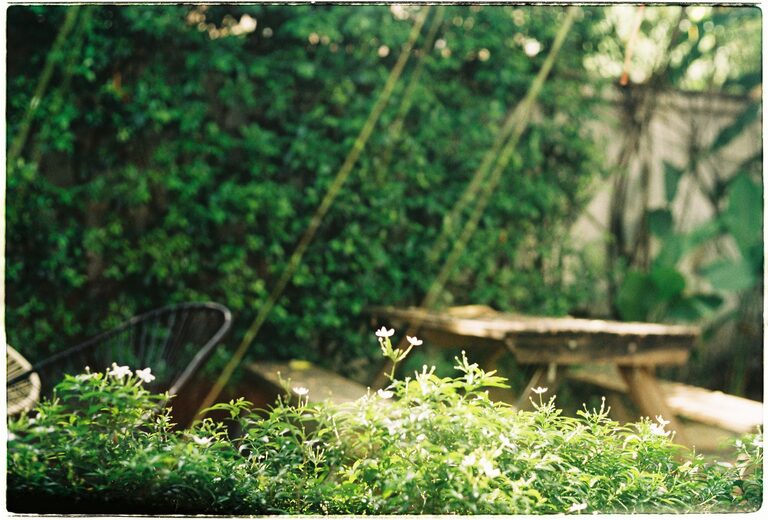
Creating a relaxing home garden space is a wonderful way to bring calm and comfort into your everyday life. Whether you have a small balcony, a modest backyard, or a larger garden, thoughtful design and a few simple touches can transform your outdoor area into a tranquil retreat. In this post, we’ll explore practical tips and ideas to help you create a garden that invites relaxation and quiet enjoyment.
Why Create a Relaxing Garden Space?
A well-designed garden is more than just pretty plants—it’s a sanctuary where you can escape distractions, reduce stress, and connect with nature. Spending time outdoors has been shown to boost mood and improve wellbeing, so creating a space that encourages relaxation is a valuable addition to any home.
Planning Your Garden: Key Considerations
Before diving into planting and rearranging furniture, it’s essential to plan your garden with relaxation in mind. Here are some areas to focus on:
Assess Your Space
Take a good look at your garden’s size, shape and sunlight exposure. Note which areas get the most sun or shade throughout the day, as this will influence the choice of plants and seating locations. Even a small area can feel inviting with the right layout.
Define the Purpose
Think about how you want to use your garden. Do you want a quiet reading nook, a space for meditation, or an area where you can entertain friends? Clearly defining your goals helps to prioritise design elements.
Consider Privacy
Relaxation often requires a sense of privacy. Use hedges, fences, trellises or screens to create secluded spots that feel sheltered from neighbours or passers-by.
Choosing Plants to Promote Calm and Beauty
Plants play a crucial role in establishing a peaceful atmosphere. Here’s how to select the right greenery and flowers:
Opt for Soothing Colours
Plants with soft greens, blues and purples tend to be calming. Lavender, rosemary, bluebells and ferns are great choices. Mixing in some white or pale flowers can add brightness without overwhelming the senses.
Incorporate Fragrant Plants
Aromas have a powerful relaxing effect. Consider herbs like lavender, mint or chamomile, which release subtle, soothing scents. Climbing jasmine or gardenias can provide sweet fragrance in the warmer months.
Mix Textures and Heights
Variety in plant size and texture keeps your garden visually interesting while maintaining harmony. Combine tall grasses with low ground covers and leafy shrubs to create layers that invite exploration and contemplation.
Use Native Plants
Native species are often lower maintenance and better suited to your local climate. They also support local wildlife, which can add to the peaceful ambiance with birdsong and butterflies.
Creating Comfortable Seating Areas
No relaxing garden is complete without a cosy spot to sit and enjoy the surroundings. Here are some ideas:
Choose Comfortable Furniture
Invest in weatherproof seating with cushions and blankets for comfort. Depending on your space, this could be a bench, hammock, swing chair or a set of lounge chairs.
Provide Shade
Natural or artificial shade helps you stay cool on hot days and makes your garden more usable throughout the year. Consider umbrellas, pergolas, or planting trees to provide welcome shelter.
Add a Table or Side Surface
A small table is useful for placing drinks, books or gardening tools. Multifunctional furniture can also create storage opportunities.
Enhance Atmosphere with Additional Features
Beyond plants and seating, other elements can heighten your garden’s relaxing vibe:
Water Features
The sound of flowing water immediately promotes calm. A small fountain, birdbath or pond can add gentle noise and attract wildlife.
Soft Lighting
Solar-powered fairy lights, lanterns or low-level garden lights allow you to enjoy your garden after dusk, creating a warm and inviting mood.
Natural Materials
Use wood, stone or bamboo for furniture and decorative elements to complement the natural theme and foster a sense of groundedness.
Personal Touches
Add items that make you smile, such as wind chimes, garden sculptures or colourful pots. These details make your space feel truly yours.
Maintaining Your Garden for Ongoing Relaxation
A relaxing garden needs care to flourish without becoming a chore.
Regular Tidying
Clear dead leaves, prune overgrown plants and keep paths tidy. This prevents stress about clutter and keeps your space enjoyable.
Seasonal Planting
Refresh your garden with seasonal flowers and shrubs to keep colours and scents changing throughout the year.
Sustainable Practices
Compost, collect rainwater and avoid harsh chemicals. A garden that’s good for the environment is good for your peace of mind.
Final Thoughts
Creating a relaxing home garden space is all about blending beauty, comfort and your personal preferences to craft a soothing environment. Start small, be patient with your plants, and enjoy the process as much as the peaceful results. With thoughtful planning and care, your garden will become a favourite retreat where you can recharge and find joy in nature’s calm.
Happy gardening!