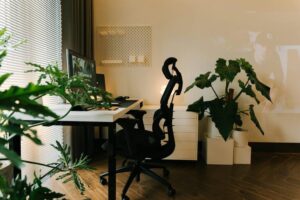
Tips for Creating a Relaxing and Productive Home Office Space

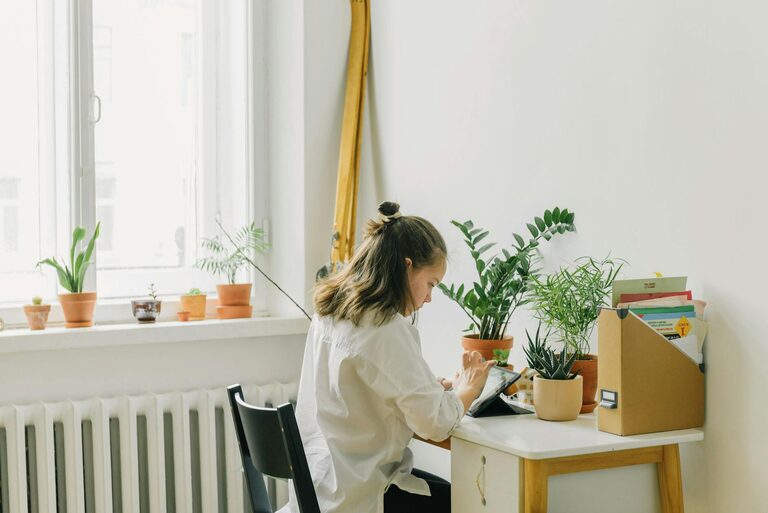
Creating a home office that is both relaxing and productive can significantly improve your work-from-home experience. Whether you’re working full-time remotely or occasionally catching up on tasks, the right environment can help maintain focus while reducing stress. Here’s a guide with practical tips to help you design a comfortable and efficient home workspace.
Choose the Right Location
Finding the perfect spot for your home office is the first step. Ideally, pick a quiet area of your home with minimal distractions.
– Natural light: A space near a window can provide plenty of daylight, improving mood and energy.
– Away from noise: Choose a room or corner where household activity is limited.
– Sufficient space: Ensure you have enough room for your desk, chair, and storage without feeling cramped.
If space is limited, consider a small nook or even investing in creative solutions like fold-away desks or room dividers.
Invest in Comfortable and Functional Furniture
Your office furniture sets the foundation for productivity and comfort. The right pieces can make long workdays much easier.
– Ergonomic chair: A supportive chair that encourages good posture helps prevent back pain.
– Desk at the right height: Your desk should allow your hands and forearms to rest comfortably when typing.
– Adjustable options: Standing desks or adjustable monitor stands promote movement and reduce strain.
Comfort doesn’t just mean ergonomics; select materials and designs you enjoy looking at and touching to create a pleasant atmosphere.
Declutter and Organise
A tidy workspace reduces distractions and improves focus. Keeping clutter to a minimum allows your mind to work more clearly.
– Use storage solutions: Shelves, draw organisers, and filing cabinets keep important items within reach without crowding your desk.
– Cable management: Use clips, ties, or cable boxes to prevent cords from tangling.
– Regularly clear your desk: End each day by putting away papers, supplies, and devices.
Try to keep only essential items on your desktop; a clear surface invites productivity.
Utilise Calming Colours and Decor
Colours and decor can significantly influence your mood and productivity. Aim for a balance that feels energising yet calm.
– Neutral tones: Whites, creams, and soft greys create a peaceful background.
– Accent colours: Add splashes of greens, blues, or pastels which are known to promote calmness.
– Personal touches: Plants, artwork, or meaningful objects can make the space inviting without adding clutter.
Avoid overly bright or distracting patterns; the goal is to enhance concentration and reduce stress.
Pay Attention to Lighting
Good lighting reduces eye strain and lifts your energy throughout the day.
– Maximise daylight: Position your desk to take advantage of natural sunlight without glare on your screens.
– Layered lighting: Combine ambient light with task lighting such as adjustable desk lamps.
– Soft, warm tones: Use bulbs with a warm white colour to create a cosy atmosphere.
Lighting that can be adjusted depending on the time of day and task will keep your workspace comfortable.
Incorporate Plants and Natural Elements
Adding natural elements helps create a soothing environment and improves air quality.
– Easy-care plants: Succulents, spider plants, or pothos require minimal maintenance.
– Natural materials: Wooden desks, cork boards, or stone accessories bring warmth and texture.
– Fresh air: If possible, open a window regularly to let fresh air circulate.
Even a small amount of greenery can help reduce stress and boost creativity.
Set Boundaries and Create a Routine
For a home office to remain productive and relaxing, clear boundaries and consistent routines are essential.
– Define work hours: Use your home office only during set times to avoid overworking.
– Signal transitions: Closing the door or turning off the desk lamp at the end of the day helps separate work from relaxation.
– Breaks and movement: Schedule regular pauses to stretch and rest your eyes.
Establishing these habits can help maintain focus and prevent burnout.
Use Technology Wisely
Technology is a powerful tool but can also become a source of distraction.
– Organise digital files: Use folders, cloud storage, and backups to keep your work accessible and orderly.
– Limit notifications: Turn off non-essential alerts during work periods.
– Ergonomic peripherals: Invest in a good keyboard and mouse to reduce wrist strain.
Maintain software updates and security settings to protect your workspace from interruptions and malware.
Final Thoughts
Creating a home office that feels both relaxing and productive is achievable with some thoughtful planning. Prioritise comfort, organisation, and natural elements while establishing clear routines. Your workspace should inspire focus and calm, making working from home a more enjoyable and efficient experience. By taking these steps, you’ll set yourself up for success — both professionally and personally.