
Creating a Cosy and Productive Home Office Space: Practical Tips

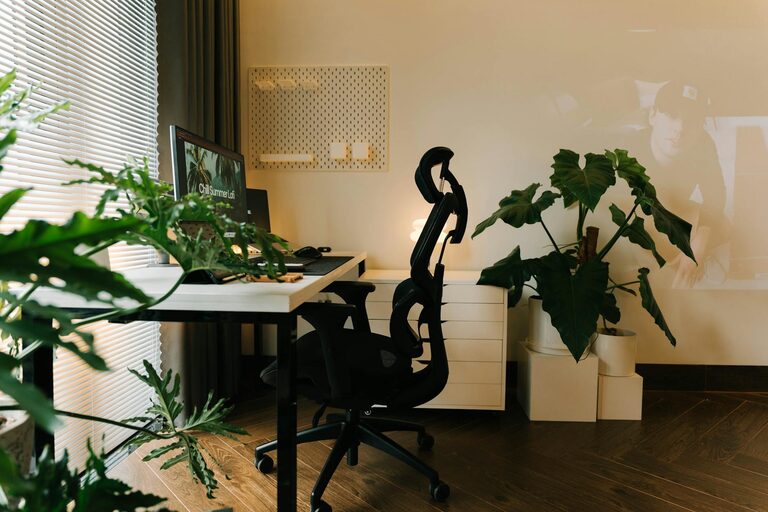
Working from home is becoming increasingly common, and having the right environment can make all the difference in staying productive and comfortable. A home office should be more than just a desk and chair; it should be a space that inspires focus, creativity, and well-being. Here are some expert tips to create a cosy and productive home office that you’ll enjoy spending time in.
1. Choose the Right Location
The first step is selecting the best spot for your home office. Ideally, it should be:
– Quiet and Free from Distractions: Avoid high-traffic areas or rooms where family members frequently gather.
– Well-lit: Natural light boosts mood and energy, so choose a room with windows if possible.
– Close to Amenities: Being near a bathroom or kitchen can save time but avoid spots prone to noise.
If space is limited, consider using a corner in a living room or bedroom, but try to physically separate your office area at least with a room divider or shelving unit.
2. Invest in Comfortable, Ergonomic Furniture
Comfort is key when working long hours. Invest in:
– An Ergonomic Chair: Supports your back and encourages good posture.
– A Spacious Desk: Allows room for your computer, documents, and any extras like a lamp or plants.
– Adjustable Furniture: Standing desks or adjustable chairs help reduce fatigue.
Good ergonomics not only prevent discomfort but help maintain focus and productivity.
3. Maximise Natural Light and Add Task Lighting
Natural light has a positive effect on well-being and alertness. Position your desk near a window when possible. To complement daylight:
– Use desk lamps with adjustable arms and brightness.
– Opt for soft, warm lighting in the room to create a cosy atmosphere.
– Avoid harsh overhead lights that cause glare or eye strain.
4. Keep the Space Organised and Decluttered
Clutter can be a major distraction. Maintain a tidy workspace by:
– Using storage solutions like drawers, shelves, or filing cabinets.
– Keeping only essential items on your desk.
– Regularly sorting papers and removing unnecessary items.
– Using cable organisers to keep wires neat and out of sight.
An organised office helps you find what you need quickly and keeps your mind clear.
5. Personalise with Soothing Colours and Decor
A welcoming space encourages you to spend time there. Consider:
– Colour Schemes: Soft blues, greens, and neutrals can promote calmness and concentration.
– Plants: Adding greenery improves air quality and creates a refreshing feel.
– Artwork or Inspirational Quotes: Choose pieces that motivate you but don’t overwhelm the space.
Personal touches make your office feel uniquely yours, blending comfort and professionalism.
6. Minimise Noise and Control Acoustics
Background noise disrupts concentration. To reduce noise:
– Use rugs, curtains, or soft furnishings to absorb sound.
– Consider a white noise machine or calming music playlist.
– If possible, add soundproofing panels or seal gaps in doors and windows.
A quieter space will help you focus, especially during important tasks or meetings.
7. Maintain Good Air Quality and Temperature
Fresh air and a comfortable temperature improve alertness:
– Open windows regularly to allow ventilation.
– Use a fan or heater to control temperature, ensuring it’s neither too hot nor cold.
– Consider indoor plants that clean the air naturally.
Comfortable air quality supports long periods of work without fatigue or headaches.
8. Keep Technology Efficient and Updated
Your technology should aid your productivity:
– Use a reliable, fast internet connection.
– Keep your computer, printer, and other devices organised and updated.
– Invest in quality peripherals like a good keyboard and mouse.
– Set up necessary accessories such as a second monitor or headset, if relevant.
Technology interruptions can be frustrating, so keeping your setup smooth and reliable is essential.
9. Establish Boundaries and Routines
Creating a physical space is only part of the solution. To maximise productivity:
– Set clear working hours and communicate them to household members.
– Use the space only for work to create a mental boundary between work and home life.
– Take regular breaks to prevent burnout, including stretching and moving around.
Routines will help you switch into work mode and maintain balance.
10. Add Comfort Extras
A cosy office feels inviting and keeps you motivated. Small comforts include:
– A soft throw or cushion on your chair.
– A mug warmer for your tea or coffee.
– A scented candle or diffuser with subtle aromatherapy scents like lavender or peppermint.
– A small speaker for playing background music.
These small touches make the environment more pleasant and personalised.
—
Creating a home office that balances comfort, functionality, and style takes thought but pays off in productivity and well-being. By choosing the right location, investing in good furniture, adding personal touches, and keeping your space organised, you set yourself up for successful home working no matter your profession. Take your time to assemble a space that feels just right—you’ll notice the difference every day.