
Tips for Creating a Relaxing Outdoor Garden Space at Home

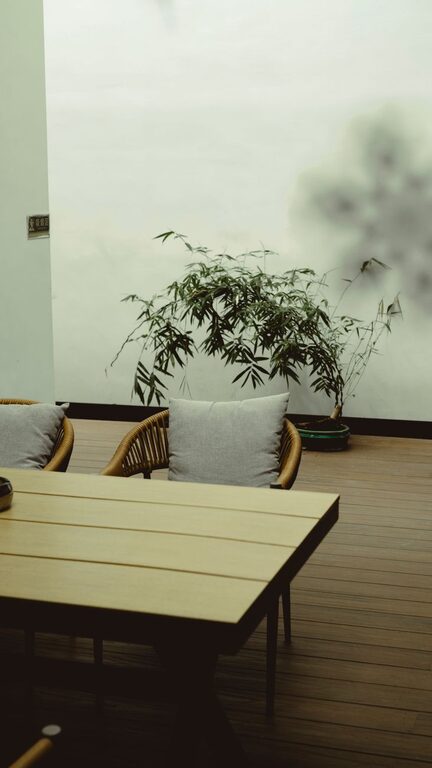
Creating a relaxing outdoor garden space at home can offer a wonderful sanctuary from the hustle and bustle of daily life. Whether you have a small balcony or a large backyard, with some thoughtful planning and creativity, it’s possible to turn your garden into a peaceful haven that invites relaxation and enjoyment.
In this post, we’ll explore practical tips on how to design and care for a calming outdoor garden that meets your needs. From choosing the right plants to adding soothing features, these ideas will help you build a space where you can unwind and connect with nature.
Why Create a Relaxing Outdoor Garden?
Spending time outdoors has many benefits, including reducing stress, improving mood, and boosting overall wellbeing. A relaxing garden space encourages you to slow down, breathe fresh air, and appreciate natural beauty. It can be a spot for quiet reflection, reading, or simply enjoying a cup of tea.
However, an inviting garden space doesn’t happen by chance. Thoughtful design and regular care are key to creating an environment that feels calm, welcoming, and personalised to your tastes.
Key Tips for Designing Your Outdoor Garden Space
1. Plan with Your Needs in Mind
Start by thinking about how you want to use your garden space. Do you want a place to meditate, entertain guests, read quietly, or grow your own vegetables? Defining your goals helps you decide on the layout, furniture, and features.
Make a rough sketch of your garden area, noting sunny and shaded spots, access points, and existing plants or structures. This will guide your planning and help you make the most of the available space.
2. Choose Soothing Colours and Textures
Colours can greatly affect mood. Opt for soft, natural tones such as greens, blues, and earthy shades, which tend to promote calmness. Include a mix of textures—smooth stones, soft foliage, and gentle water features—to add visual interest without overwhelming the senses.
Flowering plants in pastel shades or white can create a tranquil atmosphere. Avoid overly bright or busy patterns which might disrupt a relaxing vibe.
3. Select Low-Maintenance Plants
Choose plants suited to your climate and soil conditions that require minimal upkeep. This avoids stress and allows you more time to simply enjoy the space. Native plants are often a good choice, as they tend to be hardy and attract local wildlife.
Consider including a blend of evergreen shrubs, perennial flowers, and fragrant herbs like lavender or mint, which can add delightful scents and gentle colour throughout the year.
4. Incorporate Comfortable Seating
A relaxing garden needs a comfortable place to sit and unwind. Depending on your space, you could add a cosy bench, garden chairs with cushions, a hammock or a swing. Position seating in a shaded area or under a pergola to provide shelter from the sun and create a sense of enclosure.
Adding a small side table can make it easier to enjoy refreshments or keep a book close by.
Enhancing the Atmosphere: Additional Ideas
5. Add a Water Feature
The gentle sound of water is known to have a calming effect on the mind. A small fountain, birdbath, or pond can introduce soothing water sounds and attract birds, adding life to your garden. Ensure your water feature is well maintained to avoid stagnant water and insect issues.
6. Create Privacy and Shelter
To feel truly at ease, privacy is important. Use hedges, trellises with climbing plants, or garden screens to shield your space from neighbours or busy streets. You can also add a pergola or canopy for shade and protection from the elements.
7. Use Outdoor Lighting
Soft lighting extends the usability of your garden into the evening while maintaining a relaxed mood. Solar-powered fairy lights, lanterns, or strategically placed spotlights highlight plants and pathways without being harsh or overpowering.
8. Incorporate Personal Touches
Make the garden feel like your own retreat by adding elements that reflect your personality or interests. This could be colourful plant pots, garden ornaments, wind chimes, or a small herb patch for cooking. Personal touches make the space more inviting and meaningful.
Maintaining Your Relaxing Garden Space
Once your garden is established, a little maintenance goes a long way in keeping it peaceful and beautiful. Here are some simple maintenance tasks to consider:
– Regularly prune and deadhead plants to encourage healthy growth.
– Keep seating and pathways clean and free from clutter.
– Check water features for cleanliness and function.
– Refresh cushions and accessories seasonally.
– Remove weeds and fallen leaves to maintain a neat appearance.
If you take time to enjoy the space regularly, caring for it starts to feel less like a chore and more like a pleasant part of your routine.
Final Thoughts
Creating a relaxing outdoor garden space at home is an enjoyable project that can bring lasting benefits for your wellbeing. By planning carefully, selecting the right plants and features, and maintaining your garden, you will have a tranquil retreat to enjoy all year round.
Remember, your garden is for you, so make choices that feel soothing and comfortable. With attention and care, your outdoor space will become a cherished part of your home life.
—
We hope these tips inspire you to create a beautiful and relaxing garden space. Happy gardening!