Tips for Creating a Productive Home Office Space

Creating a productive home office space is essential for anyone who works remotely or spends time on personal projects. A well-designed workspace can enhance your focus, reduce distractions, and improve your overall work experience. Below, we explore practical tips to help you set up a home office that promotes productivity and comfort.
Choose the Right Location
Selecting the right spot for your home office is the first step. Ideally, this should be a quiet area with minimal foot traffic and distractions. Here are some points to consider:
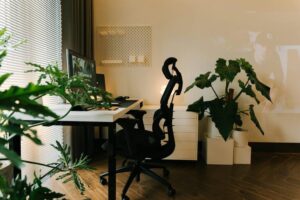
– Natural light: Position your desk near a window when possible. Natural light improves mood and alertness without causing screen glare.
– Privacy: If your home is busy, choose a room with a door to separate work from personal life.
– Space: Ensure there’s enough room for your desk, chair, and any additional equipment or storage you need.
Invest in Comfortable Furniture
Comfort plays a significant role in your ability to work productively for long periods.
– Ergonomic chair: A chair that supports proper posture can reduce back pain and help you stay focused.
– Desk at the correct height: Your desk should allow your arms to rest comfortably while typing. Adjustable desks or standing desks offer flexibility for comfort.
– Adequate desk surface: Choose a desk large enough for your computer, notepads, and any other tools, without feeling cramped.
Organise Your Workspace Efficiently
An organised workspace reduces stress and saves time looking for things.
– Declutter regularly: Keep only the essentials on your desk to avoid distractions.
– Use storage solutions: Shelves, drawers, and filing systems help keep documents and supplies tidy and accessible.
– Cable management: Use clips or sleeves to keep cords organised and out of the way.
Optimise Lighting
Good lighting reduces eye strain and improves alertness.
– Balanced lighting: Combine natural light with adjustable artificial lighting. Desk lamps with adjustable brightness are perfect.
– Avoid glare: Position screens to avoid reflections from windows or lights.
– Warm vs cool light: Cooler light bulbs can boost concentration during work hours, while warmer lighting helps you relax during breaks.
Minimise Distractions
Creating boundaries can help you stay on task.
– Set clear working hours: Communicate these to your household to minimise interruptions.
– Use noise-cancelling headphones: These are great if you cannot control background noise.
– Keep phone notifications off or on silent: Keep your phone out of immediate reach or on ‘do not disturb’ to avoid unnecessary distractions.
Personalise Your Space
A workspace that reflects your personality can increase motivation and comfort.
– Add plants: Greenery not only beautifies your office but can improve air quality and boost mood.
– Incorporate inspiring décor: Photos, artwork, or motivational quotes can provide an uplifting environment.
– Use colours wisely: Blues and greens tend to be calming, while yellows and oranges may energise.
Technology and Tools
Ensure your home office is equipped with the tools necessary for your work.
– Reliable internet connection: Essential for video calls, research, and file sharing.
– Quality peripherals: Invest in a good mouse and keyboard that feel comfortable for extended use.
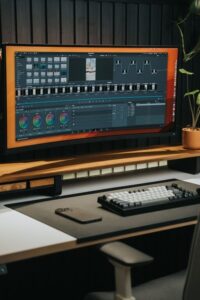
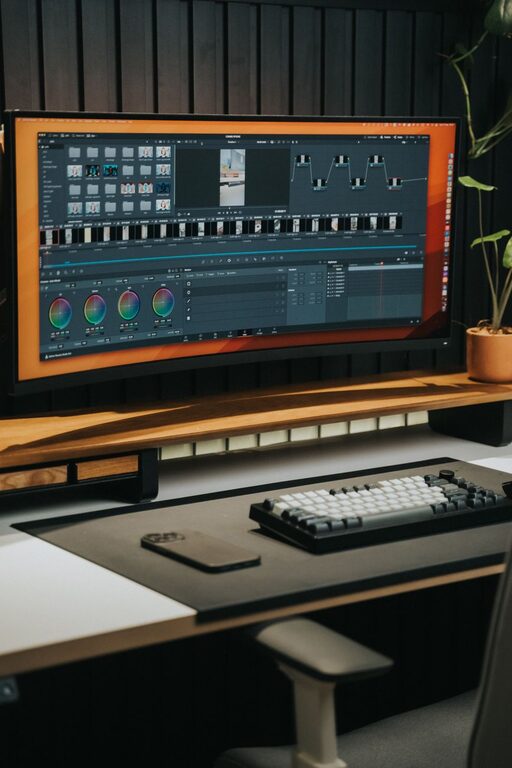
– Monitor setup: A second screen or a larger monitor can improve productivity by allowing multiple windows to remain open.
Maintain a Healthy Routine
Your workspace setup supports productivity, but your daily habits matter too.
– Take regular breaks: Stand, stretch, or walk to reduce fatigue and improve circulation.
– Separate work and leisure: Avoid working in bed or on a sofa to maintain a work-life balance.
– Stay hydrated and nourished: Keep water and healthy snacks nearby to fuel your brain.
Conclusion
Designing a productive home office is about blending comfort, organisation, and personal touches to create an environment where you can focus and feel motivated. By choosing the right location, investing in ergonomic furniture, minimising distractions, and fostering good habits, you’ll be well on your way to enhancing your work-from-home productivity. Remember, a home office is an evolving space that should adapt to your needs, so don’t hesitate to make changes that improve your workflow.
Creating this positive workspace can not only boost your efficiency but also contribute to your overall wellbeing throughout the workday.