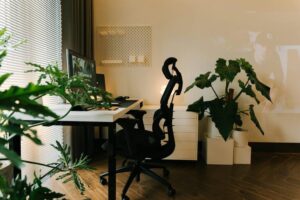
Tips for Creating a Relaxing and Productive Home Workspace

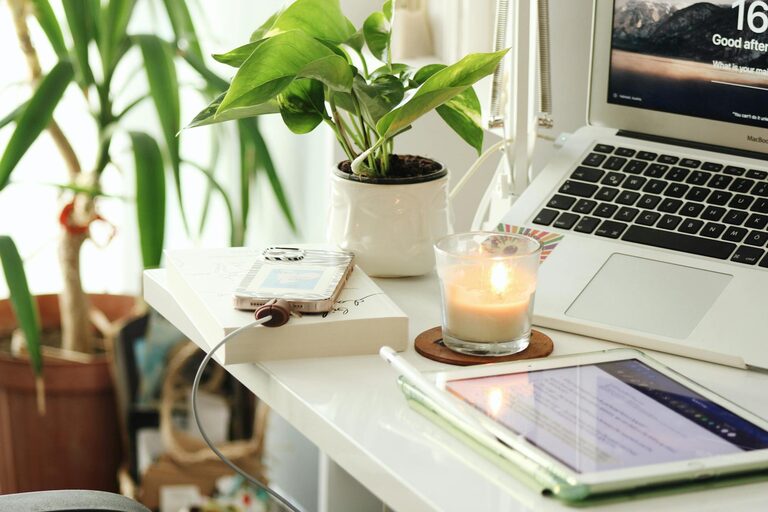
Creating the perfect home workspace can be a game-changer, especially when balancing productivity with a sense of calm and relaxation. Whether you work full-time from home or occasionally catch up on tasks, your environment plays a significant role in how effectively you work and how refreshed you feel afterwards.
In this post, we’ll explore practical tips to help you design a workspace that supports your focus, reduces stress, and makes working from home a positive experience.
Choose the Right Location
Selecting the best spot in your home for your workspace is the first step. Ideally, it should be somewhere quiet, with minimal distractions, and preferably separated from your main living areas.
– Natural light: Position your desk near a window to benefit from daylight. Natural light helps to improve mood and energy.
– Away from noise: Avoid busy areas of the house where people gather or where there are loud appliances.
– Space availability: Choose a spot with enough room for your equipment and a little extra space for movement.
If space is limited, consider using a corner nook or a fold-away desk that can be tidied easily when not in use.
Invest in Comfortable Furniture
Comfort is key to staying productive and relaxed during your workhours.
– Ergonomic chair: Choose a chair that supports your back and encourages good posture. Adjustable features can tailor comfort to your needs.
– Appropriate desk height: Your desk should allow you to keep your forearms parallel to the floor while typing to avoid strain.
– Consider a standing desk: Alternating between sitting and standing can reduce fatigue and improve circulation.
Adding cushions or footrests can enhance comfort even further.
Organise Your Workspace Efficiently
A tidy, well-organised workspace reduces stress and helps you find what you need quickly.
– Declutter regularly: Keep only essential items on your desk to avoid distractions.
– Storage solutions: Use shelves, filing cabinets, or desk organisers to keep documents and supplies in order.
– Cable management: Store cables neatly to prevent tangling and give your desk a cleaner look.
Label files or storage boxes to find things easily and keep your workflow smooth.
Personalise Your Space Tastefully
Adding personal touches can make your workspace more inviting without causing distractions.
– Decorations: Include a few items such as plants, photos or artwork that uplift your mood.
– Colours: Use colours you find calming or inspiring. Soft blues and greens are often recommended for a relaxing atmosphere.
– Lighting: Besides natural light, include a good desk lamp with adjustable brightness to reduce eye strain.
Balance is important; avoid cluttering the space with too many items.
Minimise Distractions
Staying focused is easier when interruptions are kept to a minimum.
– Smartphone settings: Use ‘Do Not Disturb’ mode during work hours, or place your phone out of sight.
– Noise control: Consider noise-cancelling headphones or playing soft background music if external sounds are distracting.
– Clear boundaries: If you share your home with others, communicate your working hours and ask for quiet during those times.
Using productivity apps or timers can also help manage breaks and keep you on track.
Create a Routine
Having a consistent work routine helps both your mind and body adjust to the home working environment.
– Set work hours: Define clear start and finish times to maintain work-life balance.
– Breaks: Schedule regular short breaks to stretch, hydrate, or rest your eyes.
– Prepare your workspace: Begin each day by organising your desk and reviewing your tasks to get in the right mindset.
A routine provides structure, which promotes both productivity and relaxation.
Incorporate Wellness Elements
Adding wellness considerations to your workspace can improve both your comfort and your work output.
– Indoor plants: These improve air quality and can reduce stress.
– Air quality: Ensure good ventilation to keep the air fresh.
– Movement: Incorporate simple stretches or exercises you can do at your desk to reduce stiffness.
Consider using aromatherapy or diffusers with subtle scents to elevate your mood, although be mindful of any allergies.
Maintain Digital Organisation
A cluttered digital workspace can be as disruptive as a physical one.
– Organise files and emails: Use folders and labels to keep everything in order.
– Backups: Regularly back up important documents to avoid accidental losses.
– Minimal tabs: Limit the number of open browser tabs to stay focused.
Regularly clearing your desktop and organising digital tools helps reduce cognitive overload.
Final Thoughts
Designing a relaxing and productive home workspace takes time and attention, but small changes can make a big difference. Prioritise comfort, organisation and a positive atmosphere to create a space where you can work efficiently while feeling calm and refreshed. Remember that everyone’s needs are different, so customise your workspace to best suit your habits and preferences.
By applying these tips, your home office can become not just a place to work, but a space that supports your wellbeing and professional goals.