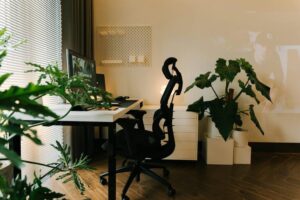
Tips for Creating a Relaxing Home Workspace to Boost Productivity and Well-being

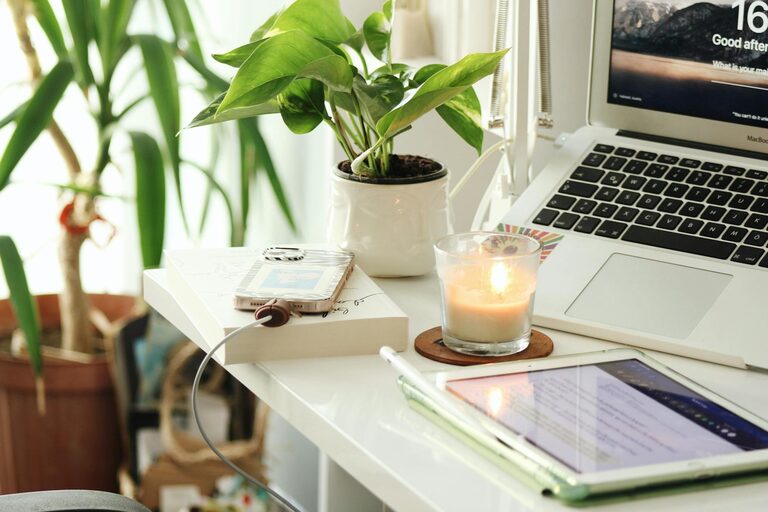
Creating a home workspace that feels relaxing and welcoming can have a positive impact on your productivity and overall well-being. Whether you’re working remotely, studying, or managing personal projects, the environment you set up plays a crucial role in how you feel and perform throughout the day. In this blog post, we’ll explore practical tips to help you create a calm and productive workspace in your home.
Why a Relaxing Workspace Matters
When your workspace is cluttered, noisy, or uncomfortable, it can lead to distraction, stress, and reduced efficiency. Conversely, a well-organised and soothing environment helps you focus better, encourages creativity, and supports your mental health.
By intentionally designing your workspace with relaxation in mind, you can create a positive and motivating atmosphere that fuels your work and well-being.
Choose the Right Location
Find a Quiet Spot
Select a part of your home that is relatively free from noise and distractions. This could be a spare room, a corner of a living room, or a nook near a window. The quieter the space, the easier it will be to concentrate.
Consider Natural Light
Where possible, position your desk near a window to benefit from natural daylight. Exposure to natural light improves mood and energy levels, making it easier to stay alert and engaged.
Prioritise Comfort with Your Furniture
Invest in an Ergonomic Chair
A comfortable chair that supports your posture is a must-have. Long hours spent sitting can cause back and neck pain if your chair lacks proper support.
Choose a Suitable Desk
Your desk should be large enough to fit your computer, notepads, and any other essentials without feeling cramped. If space is limited, consider fold-away or height-adjustable desks to make the most of your area.
Add Soft Furnishings
Including cushions or a footrest can make sitting for extended periods more comfortable. These simple additions help reduce physical strain.
Declutter and Organise Your Space
Keep Surfaces Clear
A tidy workspace promotes a clear mind. Keep only the essentials on your desk and regularly clear away unnecessary items.
Use Storage Solutions
Organise papers, stationery, and gadgets with boxes, drawers, or shelves. Label containers if you have a lot of items, which makes finding things faster and easier.
Maintain Routine Cleaning
Set aside time each week to clean your workspace, wiping surfaces and vacuuming floors. A fresh environment helps sustain a calming atmosphere.
Personalise with Calming Elements
Incorporate Plants
Indoor plants bring natural beauty and fresh air to your workspace. Choose low-maintenance varieties like succulents or peace lilies.
Use Soft Lighting
Avoid harsh overhead lights. Instead, opt for lamps or fairy lights with warm, soft tones to reduce eye strain and create a cosy mood.
Add Personal Touches
Include items that inspire or relax you, such as photos, artwork, or calming scents like lavender. However, keep these elements minimal to avoid clutter.
Manage Noise and Distractions
Use Noise-Cancelling Headphones
If external noise is unavoidable, noise-cancelling headphones can help you maintain focus by blocking distractions.
Play Background Music
Soft instrumental music or nature sounds can create a peaceful audio environment. Experiment to find what helps you concentrate best.
Set Boundaries with Others
If sharing your home with family or housemates, communicate your working hours and request quiet during those times.
Create a Work Routine
Establish Set Working Hours
Having consistent start and finish times helps maintain work-life balance, preventing burnout.
Take Regular Breaks
Short breaks every hour can refresh your mind and reduce physical tension. Use this time to stretch, hydrate, or walk around.
Mind Your Posture and Movement
Alongside your routine, make a habit of sitting upright and moving periodically to prevent stiffness.
Optimise Technology
Keep Your Workspace Cable-Free
Tidy cables and chargers with clips or raceways to prevent clutter.
Choose Reliable Equipment
Invest in a good-quality keyboard, mouse, and monitor to enhance comfort and efficiency.
Backup and Security
Regularly back up your work and ensure your devices are secure to avoid frustration and data loss.
Conclusion
A relaxing home workspace isn’t just a luxury—it’s an essential foundation for productivity and well-being. By carefully selecting your workspace location, investing in comfort, organising your materials, adding calming touches, and managing noise and distractions, you can create an environment that supports your best work. Remember to maintain healthy routines and optimise your equipment to make the most of your home working experience. Small changes can lead to big improvements, transforming your workspace into a haven of calm and focus.